
The thoroughness of culture medium sterilization directly affects experimental data. Many factors influence sterilization, including the types and quantities of contaminating bacteria, as well as the choice of sterilization time and temperature. Today, we’ll share the main factors affecting culture medium sterilization.
I. Definition of Culture Medium Sterilization
The process of killing or removing viable bacterial vegetative cells and spores from a culture medium using physical or chemical methods.
II. Purpose of Culture Medium Sterilization
To kill microorganisms in the culture medium, creating sterile conditions for subsequent fermentation processes.
III. Requirements for Culture Medium Sterilization
1. Achieve the required level of sterility—10⁻³
2. Minimize the destruction of nutrients.
IV. Methods of Culture Medium Sterilization
1. Chemical sterilization
2. Filtration sterilization
3. Moist heat sterilization
V. Selection of Culture Medium Sterilization Temperature
1. The heat lethal temperature of microorganisms should be considered (it should be higher than this temperature, generally based on spores);
2. While ensuring sterilization effectiveness, minimize the destruction of nutrients in the culture medium;
3. Follow the recommendations of the culture medium manufacturer.
VI. Main Factors Affecting Culture Medium Sterilization
1. Culture Medium Composition
High concentrations of organic matter, such as fats, sugars, and proteins, can coat cells in a thin film, affecting heat conduction. High concentrations of salts and pigments weaken heat resistance, making sterilization easier. Generally, for media with high sugar content, 115℃/30 minutes is recommended; for general media, 121℃/20 minutes is suitable.
3. pH Value
pH value has a significant impact on the heat resistance of microorganisms. Microorganisms are least likely to die at pH values between 6.0 and 8.0. At pH 6.0, microorganisms die relatively easily because the pH easily penetrates the cells, altering their physiological responses and causing death. Therefore, the lower the pH of the culture medium, the shorter the sterilization time.
4. Particle Size in the Culture Medium
Small particles are easier to sterilize, while large particles are more difficult to sterilize. Clumping of the culture medium will result in incomplete sterilization. 4. Foam: The air in the foam forms an insulating layer, making it difficult for heat to penetrate and killing any bacteria within, thus affecting the sterilization effect of the culture medium.
5. Complete Expulsion of Cold Air from the Sterilizer: For a high-pressure steam sterilizer to reach saturated steam, all cold air must be completely expelled. When steam contains air, the pressure gauge reading is not the actual steam pressure, but the sum of the steam and air pressures. At the same pressure, steam containing air has a lower temperature than saturated steam. Therefore, if air is present when the sterilizer reaches the required sterilization pressure, the sterilization temperature will not be reached, resulting in ineffective sterilization.
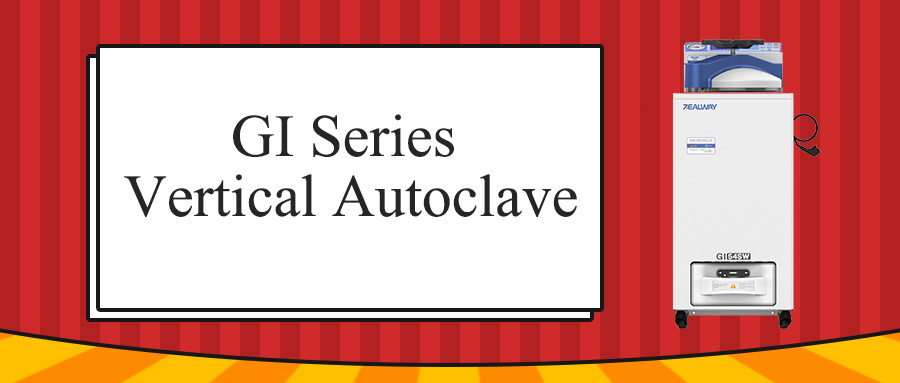
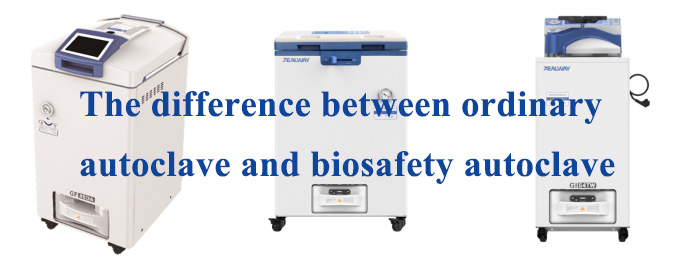
The Zealway autoclave system automatically monitors cold air expulsion to ensure a pure steam sterilization environment and optimal sterilization results. It features specific culture medium sterilization programs, including liquid sterilization, liquid-with-insulation, and agar dissolution, to meet the sterilization requirements of various culture media.














ZEALWAY provides quality autoclaves, full services and professional sterilization solutions for you.

Leave a Reply