Sterilization packaging is not only a tool for wrapping instruments, but also an important line of defense for protecting the sterile environment. It needs to protect instruments before and after sterilization, maintain the sterile state, and block microorganisms within the validity period.
However, in actual operation, various problems often occur in sterilization packaging, which affect the sterilization effect and even cause instrument contamination. Today we have sorted out the following common problems, let’s check and fill the gaps together!
I. Damage to sterilization packaging materials after sterilization
Packaging damage is the most troublesome issue. Non-woven fabrics and crepe paper are not inherently strong, and these actions are equivalent to “precisely breaking the defense”:
Rough handling: The materials become more brittle after vacuuming. Throwing them casually may not show damage on the surface, but the internal fibers are actually broken.
Over-tight packaging: Want to fit a few more instruments in the package? The internal and external stress during pulsating vacuum will pull at the weak points and directly tear them.
Contact with the chamber wall: The temperature of the sterilizer wall is high, and direct contact is easy to cause scald damage.
No protection for sharp instruments: The sharp corners of scissors and pliers are like small knives. The pressure difference during vacuuming will “press” them into the packaging material.
The same applies to the damage of paper-plastic bags: if the instruments are less than 2.5 cm away from the seal, the corners are not covered with protective sleeves, or the temperature of the sealing machine is insufficient, all these will lay hidden dangers for damage.
II. Always blame the sterilizer for wet package problems?
Non-woven fabric packaging: Non-woven fabric is hydrophobic, and most of the water droplets on the surface come from the dripping of the sterilizer wall or sterilization rack, rather than a “wet package”. After sterilization, you can open the cabinet door a little and wait for about 10 minutes before taking it out to avoid this situation.
In contrast, crepe paper and cotton cloth have strong water absorption. Once water invades, the inside may be damp but it is not easy to detect from the outside, so extra attention is required.
Paper-plastic bag packaging: The paper side of the paper-plastic bag is permeable to water and air, while the film side is not. During sterilization, the paper side should be placed flat downward or at a 45° angle. Avoid placing it vertically or with the paper side upward, which can significantly reduce the occurrence of wet packages.
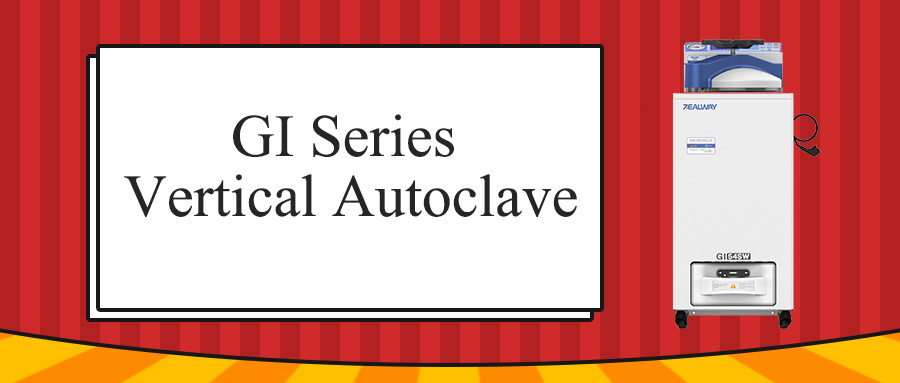











ZEALWAY provides quality autoclaves, full services and professional sterilization solutions for you.

Leave a Reply