
In the medical and laboratory fields, autoclaves play a vital role. The seemingly ordinary figure of 121℃ actually embodies profound scientific principles and industry standards. Why is 121℃, rather than 120℃, the commonly used sterilization temperature for downward displacement autoclaves? It is not merely a temperature reading, but a sterilization guarantee carefully calculated and verified. Today, let us uncover the secrets behind the sterilization temperature of 121℃.
I.Historical origin: the birth of 121℃
121°C has become the commonly adopted temperature for high-temperature and high-pressure sterilization for specific historical reasons. When the autoclave was first invented in 1879, temperature sensors were not yet available, so the sterilization process was controlled by pressure gauges instead. At that time, sterilization parameters were defined in pressure units. A widely used standard was 1 kg/cm², equivalent to one standard atmosphere (1 bar = 1 kg/cm² = 0.1 MPa = 14.5 psi). At this pressure, the boiling point of water is slightly lower than 121°C.
Notably, the United States uses the Fahrenheit temperature scale, with its standard sterilization temperature set at 250°F. According to the conversion formula between Fahrenheit and Celsius, 250°F is approximately equal to 121.1°C.
During the Industrial Revolution in the 19th century, the Bourdon tube pressure gauge invented by French mechanic E. Bourdon enabled real-time monitoring of steam pressure. Measurement confirmed that saturated steam at 15 psi (approximately 103 kPa) corresponds exactly to 121°C. This temperature ensures effective sterilization without imposing excessive requirements on equipment. Consequently, 121°C was gradually established as the standard temperature for industrial and medical sterilization and has remained in use to this day.
II.Scientific basis: why 121°C is adopted
The sterilization temperature of 121℃ is determined based on scientific research and practical experience. At this temperature, the proteins in microorganisms become denatured and coagulated, cell functions are destroyed, and bacteria, viruses, fungi and spores can be effectively killed.
At 121℃, the working pressure of the autoclave is about 15 psi. This pressure raises the boiling point of water to 121℃, allowing water to exist in the form of saturated steam at a higher temperature, which is critical for effective sterilization.
III.International standard: the authority of 121℃
121°C is widely accepted as the standard sterilization temperature in regulations and standards across global industries, including healthcare and laboratory fields. For instance, GB 8599-2008 General technical requirements for large steam sterilizers (Automatic control type) and YY 1007-2018 Vertical sterilizers, the national standards of the People’s Republic of China, also specify the temperature control requirements for sterilizers, including the operating temperature range for sterilization. These standards ensure the consistency of sterilization procedures across different facilities and are essential for maintaining high standards of safety and hygiene.
121℃ is far more than just a number; it is the crystallization of science, history and standards. Nowadays, as we strive for a sterile environment, it also acts as the guardian of our health. Let us respect science, follow standards, and safeguard safety together.





























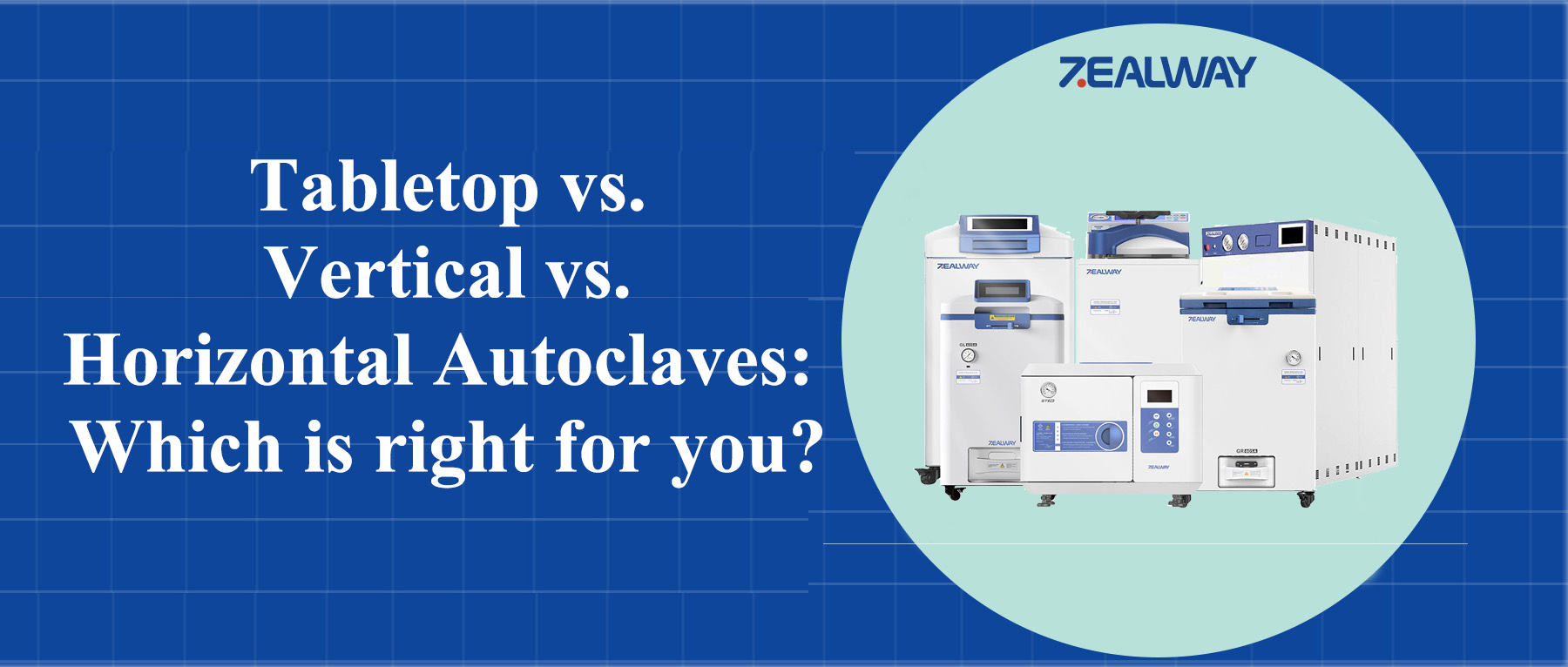







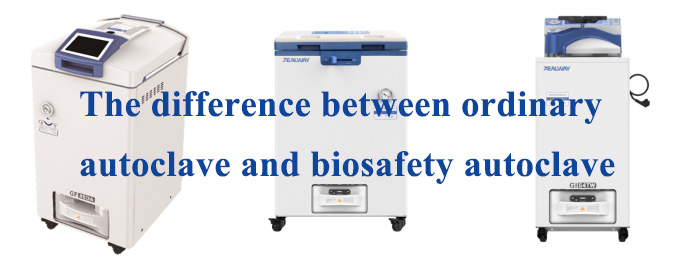


ZEALWAY provides quality autoclaves, full services and professional sterilization solutions for you.

Leave a Reply