I. How does limescale form?
Under high-temperature conditions, metal ions such as calcium and magnesium in water form insoluble calcium carbonate (CaCO₃), magnesium hydroxide (Mg(OH)₂), or other precipitates, which then develop into limescale.
The main factor contributing to limescale formation is water hardness. Water that contains minerals such as calcium (Ca) and magnesium (Mg) salts is referred to as “hard water”. Examples include river water, lake water, well water, spring water, and tap water.
Water that contains no minerals is referred to as “soft water”.
II. Hazards of limescale to autoclave
If an autoclave is improperly used (leading to limescale formation), it will not only shorten the service life of the autoclave and affect the sterilization effect, but also pose potential safety hazards.
1.Limescale deposits on the chamber and heating tubes. With a very low thermal conductivity—approximately 2–5% that of ordinary steel—it reduces heat transfer efficiency, impairs heat generation and exchange performance, and leads to increased energy consumption.
2.During the heating process, dispersed limescale particles cause scratches on the autoclave chamber;
3.Limescale particles enter the pipelines and result in pipe blockages.
4.Limescale deposits on the surfaces of water level electrodes and temperature sensors, which can easily cause poor induction;
5.It is likely to cause metal materials to burn out due to local overheating, leading to deformation of the inner wall and even the occurrence of safety accidents.
III. How to choose water for an Autoclave?
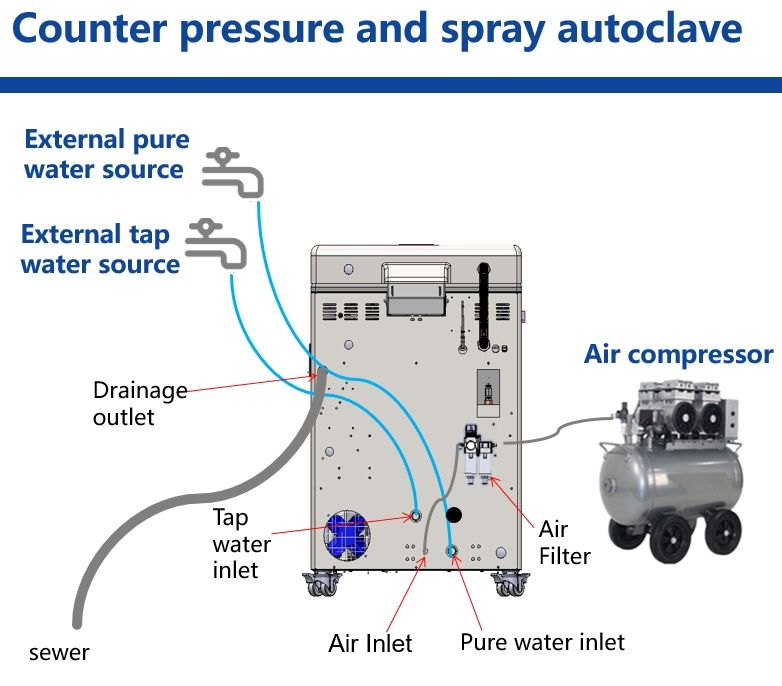
According to GB 8599-2008 technical requirements for large-scale steam autoclaves – automatic control type, the water source used for steam sterilization shall be drinking water that has undergone further softening, demineralization, or deionization treatment. In addition to the requirement for water hardness, there are also requirements for other indicators of sterilization water, such as iron content in water, pH value, heavy metal impurities (e.g., cadmium, lead), and so on.
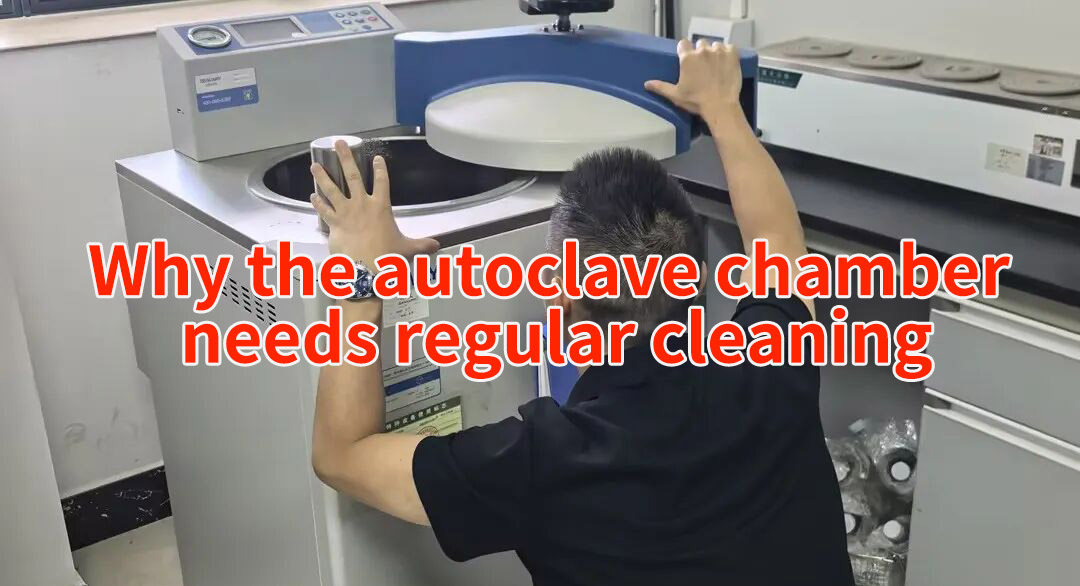
Limescale inside an autoclave may seem insignificant, but it can cause equipment blockages, damage, and even pose potential safety hazards. Therefore, it is essential to use sterilization water that meets the required standards. Additionally, attention should be paid to the daily maintenance and cleaning of the autoclave. It is recommended to replace the water in the sterilization chamber once a week; if the items to be sterilized contain slightly corrosive substances, it is advisable to replace the water once a day.























ZEALWAY provides quality autoclaves, full services and professional sterilization solutions for you.

Leave a Reply