
In the laboratory, we work with the term “sterility” every single day. Items that have undergone high-temperature sterilization should be absolutely clean and safe. Yet a vexing problem frequently arises—”contaminated pouches”.
A “contaminated pouch” refers to the unexpected appearance of water stains, smudges, discoloration, fiber shedding and other anomalies on the surface of paper-plastic packaging pouches (especially the paper side) after high-temperature sterilization. This not only hinders the storage and distribution of sterile items, but more critically, it may indicate a failed sterilization process or a damaged packaging barrier, posing significant safety risks.
I. Tracing the root cause: How do “contaminated pouches” form?
The causes of contaminated paper-plastic pouches are complex and multifaceted, but they can be primarily categorized into the following groups:
1. Substandard cleaning quality
Incomplete cleaning: Residual blood, proteins and contaminants on medical devices carbonize and denature under the high temperatures of sterilization, forming stubborn yellowish-brown stains that may even penetrate the packaging material.
Insufficient drying after cleaning: Moisture trapped in the joints and lumens of devices evaporates when heated during sterilization, then condenses rapidly upon contact with cooler packaging pouches or the sterilizer chamber walls, forming water stains—this is the most common cause of water-stained contaminated pouches.
2. Improper packaging operations – human factors
Contamination during manual packaging: Operators failing to strictly adhere to hand hygiene protocols can transfer stains and sweat from their hands directly onto the paper surface of the pouches.
Unsanitary packaging workbenches: Dust, fiber debris or residual contaminants from previous batches on the packaging workbench.
Overloading: excessively sharp instruments or overfilled pouches may puncture or abrade the plastic side during handling or sterilization, compromising the seal.
3. Uncontrolled sterilization process – process failure
Inadequate drying time: This is the core cause of water-stained contaminated pouches. Insufficient time or temperature in the drying phase after the sterilization cycle leaves a large amount of moisture in the sterilizer chamber and on the items, which condenses into water stains when the items are removed.
Excessively fast heating/cooling rates: Rapid temperature changes cause “flash evaporation” of steam inside the chamber, generating numerous tiny droplets of condensed water that adhere to the packaging.
Poor steam quality: Wet steam (high water content), boiler additives or pipe rust in the steam—these impurities directly contaminate the packaging pouches.
4. Equipment and facility issues – hardware risks
Sterilizer performance malfunctions: Such as aging and leaking gaskets, clogged steam traps causing poor drainage, and inaccurate temperature/pressure sensors.
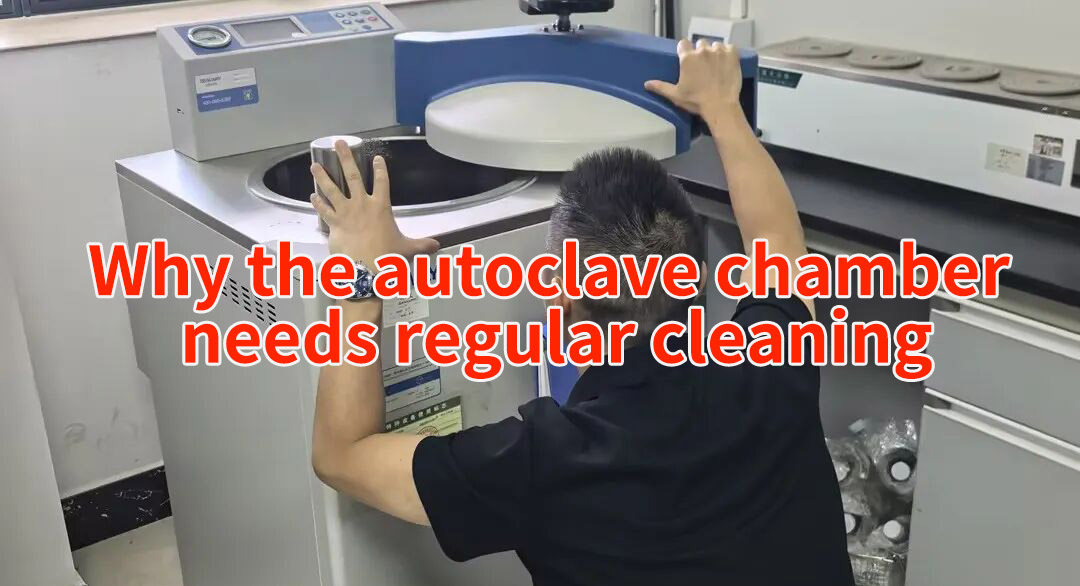
Contamination inside the sterilizer chamber: Rust, limescale or residual chemical stains on the chamber walls, shelves and trolleys.
Problems with water and steam sources: Substandard pure water used for steam generation, or faults in the boiler system.
5. Improper storage and transportation – post-process contamination
Humid and unsanitary storage environment: High humidity and dust in the sterile storage warehouse cause the paper surface to absorb moisture and contaminants from the air.
Rough handling: Friction, extrusion or dragging of the pouches during distribution and transportation leads to damage or contamination of the paper surface.
II. Targeted solutions: A comprehensive approach to eliminating “contaminated pouches”
Once the root causes are identified, we can implement precise solutions. Resolving the issue of contaminated pouches requires a systematic quality control closed loop.
1. Strictly guard the “cleaning step” to eliminate risks at the source
Follow standardized cleaning procedures: adhere to the standard process of “rinsing – enzymatic cleaning – rinsing – final rinsing – disinfection – drying” to ensure no visible contaminants remain on medical devices.
Enhance the drying process: Use high-pressure air guns to thoroughly blow dry lumened devices, ensure the proper performance of drying ovens, and achieve complete drying of all devices—especially complex ones.
2. Standardize the “packaging step” – details determine success
Create a clean environment: conduct packaging in a standard clean area, ensure sanitized workbenches, and perform regular environmental monitoring.
Strengthen staff training: Require operators to strictly follow hand hygiene protocols, wear powder-free gloves, and avoid direct hand contact with the paper surface.
Load items appropriately: Follow the manufacturer’s recommendations—keep items at least 2.5 cm away from the sealed edge, prevent sharp instrument tips from directly touching the plastic side, and use protective padding when necessary.
3. Optimize the “sterilization step” for precise process control
Ensure adequate drying: Scientifically set and extend drying time based on the material, density and load of the devices; extend it as appropriate for large quantities of lumened or heavy devices.
Monitor steam quality regularly: Conduct regular tests on the sterilizer’s steam to ensure parameters such as dryness value and non-condensable gas content meet standards.
Standardize loading: Place paper-plastic pouches vertically with the paper side facing the plastic side, and leave sufficient gaps (≥2.5 cm) to facilitate steam penetration, air exhaust and moisture evaporation.
4. Reinforce the “eEquipment maintenance step” – Hardware as a foundation
Implement preventive maintenance: Perform daily, weekly and annual maintenance on sterilizers in strict accordance with manufacturer requirements, with a focus on inspecting key components such as gaskets, steam traps and sensors.
Keep the sterilizer chamber clean: Regularly clean the interior of the sterilizer chamber to remove limescale and rust.
5. Defend the “storage and distribution step” for uninterrupted quality control
Control the storage environment: Maintain a temperature below 24℃ and a relative humidity of 30%-60% in the sterile storage area, and keep the area clean and dust-free.
Follow the “first-in, first-out” principle: Prevent item expiration and reduce the risk of contamination from long-term storage.
Handle with care: Use clean transport trolleys, lift and place items gently, and avoid extrusion and friction.
Professionalism is forged in the details, and no process step can be overlooked. Let us start from the source, focus on the details, and jointly build a safe and efficient sterile supply system.





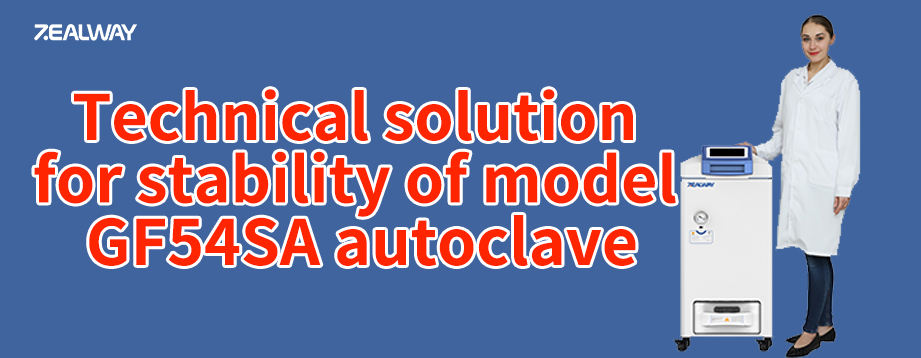




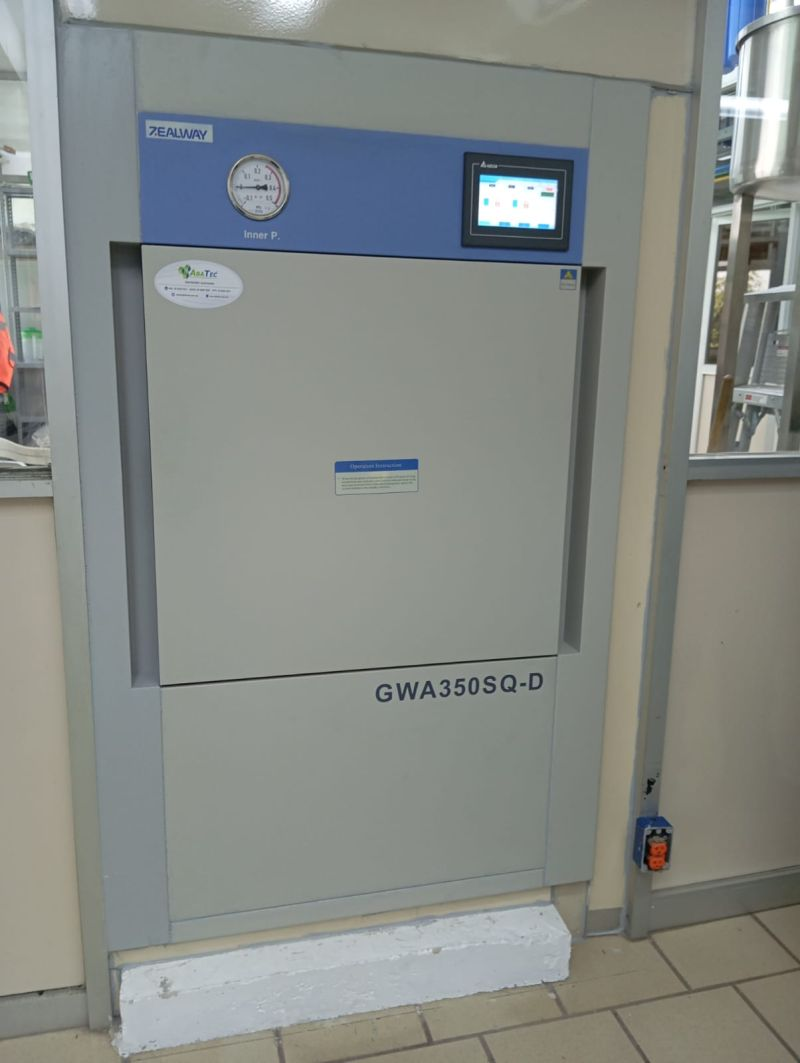






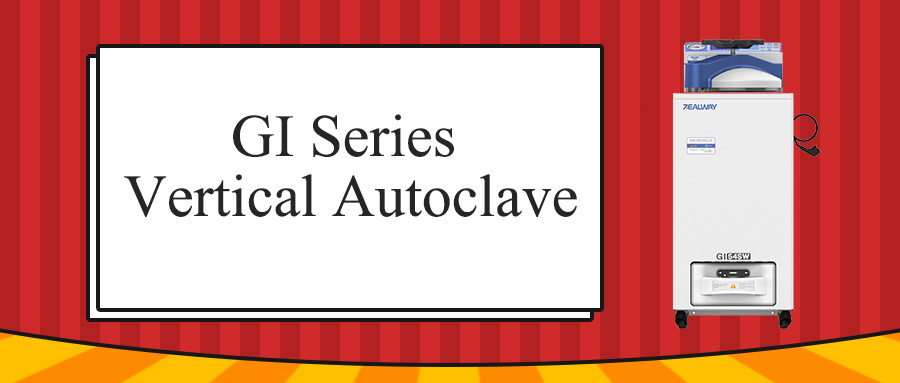









ZEALWAY provides quality autoclaves, full services and professional sterilization solutions for you.

Leave a Reply