In sterilization validation practice, have you ever fallen into the misconception of focusing solely on temperature or time? A verifiable sterile state relies on far more than a preset temperature value. This article goes beyond the conventional 121°C benchmark and explores three core dimensions of sterilization efficiency: effective steam contact, precise energy maintenance and sufficient exposure duration. Based on these key factors, we establish a reliable sterility assurance system and build a solid sterile protection barrier.
Adequate penetration and contact of steam serve as the prerequisite for successful sterilization. Microorganisms cannot be eliminated no matter how high the temperature or how long the duration is, if steam fails to reach them.
Key points
Complete air removal:Pressure steam sterilization works as saturated steam releases massive latent heat during condensation. Residual air inside the chamber forms air pockets and blocks steam contact with item surfaces. Effective exhaust modes such as pulsating vacuum and downward displacement shall be adopted to fully evacuate air.
Standard loading
Proper gaps shall be reserved between items. Packaging materials must allow steam penetration, such as special non-woven fabrics and paper-plastic bags.
Utensils like basins, trays and bowls shall be placed tilted or upside down to prevent air and water accumulation.
Heavy instruments should be placed separately without tight stacking to ensure smooth steam circulation.
Appropriate packaging selection :Sealed and airtight containers such as aluminum lunch boxes and closed glass bottles are prohibited, as they block steam penetration.
Temperature is the core factor for microbial inactivation. Microorganisms vary in heat resistance, and only reaching their thermal lethal temperature can guarantee thorough elimination.
Key Points
Common temperature standards
121°C: The most commonly adopted sterilization temperature, applicable to most medical devices, culture media and wastes. It can eliminate all microorganisms including bacterial spores.
134°C: Ultra-high temperature sterilization with shorter exposure time, widely used for rapidly circulated instruments such as surgical tools.
Temperature monitoring
Physical monitoring: Check the built-in thermometer of sterilizer to confirm the preset temperature is reached.
Chemical monitoring: Adopt internal and external chemical indicators or tapes, judge temperature compliance by color changes.
Biological monitoring: Regularly use indicators containing Geobacillus stearothermophilus spores, the gold standard for sterilization efficacy verification.
After reaching the specified temperature, adequate duration must be maintained to guarantee thorough heat penetration and sustained action against all microorganisms.
Key Points
Sterilization time is counted from when the core temperature of articles hits the set value, excluding heating and air exhaust periods. Typical duration at 121°C: 15-30 minutes, adjusted by article property, packaging and loading capacity. Typical duration at 134°C: 3-10 minutes.
Influencing factors item properties:
Liquids, porous goods and heavy instruments require longer sterilization time due to slow heat penetration.
Packaging and loading: Oversized packages and overcrowded loads slow down heat transfer, calling for extended sterilization duration accordingly.
Effective pressure steam sterilization is a systematic process. The three interrelated factors form a complete sterilization cycle.
Sufficient steam contact serves as the foundation to cover all surfaces. Adequate temperature acts as the core power to inactivate microbes. Proper holding time guarantees thorough sterilization effect.
Strictly follow operational specifications and accurately control the three key conditions to ensure reliable and safe sterilization, safeguarding hygiene safety and product quality.








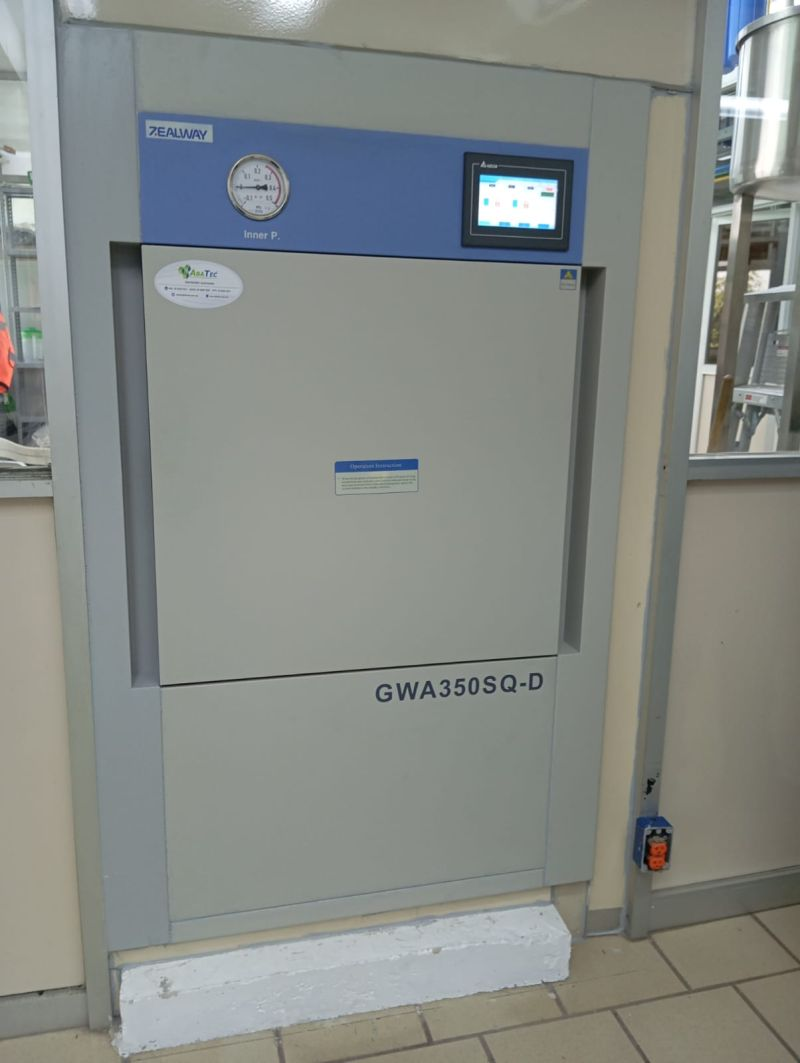

















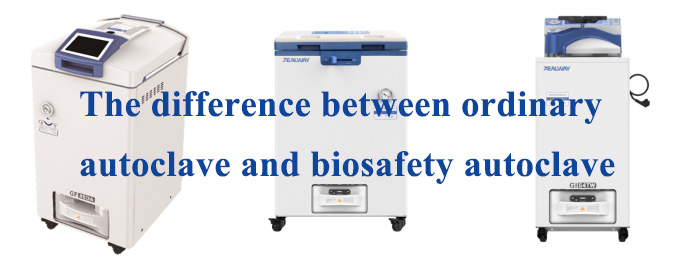


ZEALWAY provides quality autoclaves, full services and professional sterilization solutions for you.

Leave a Reply