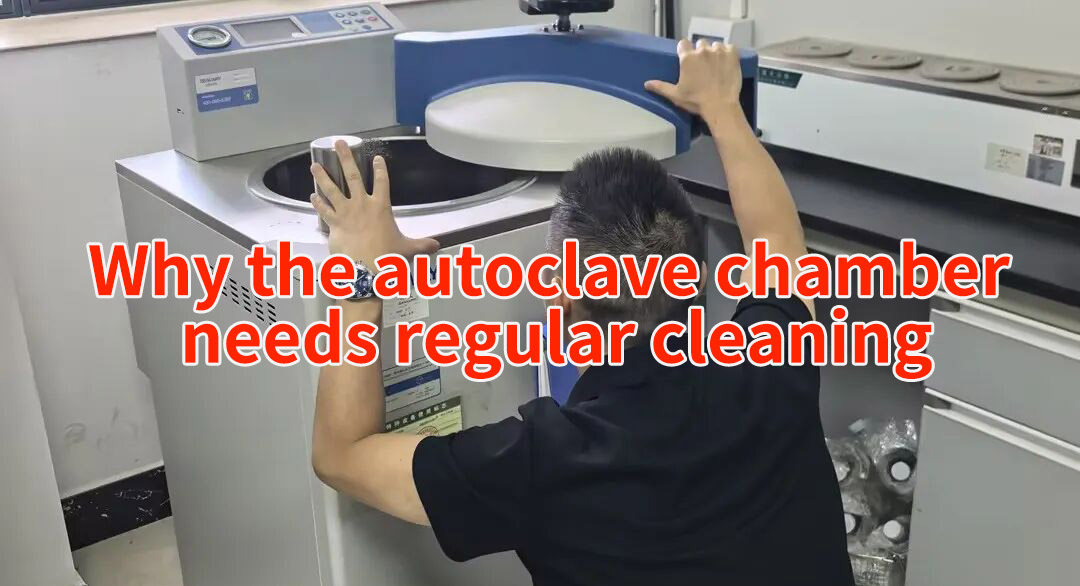
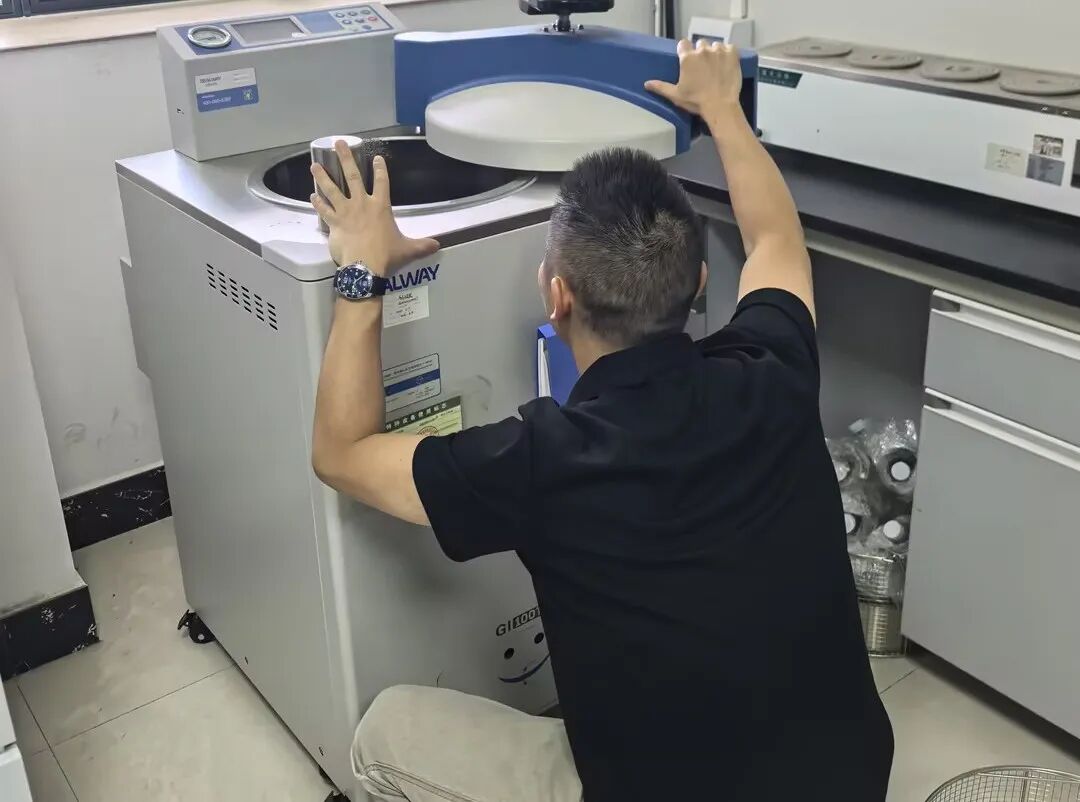
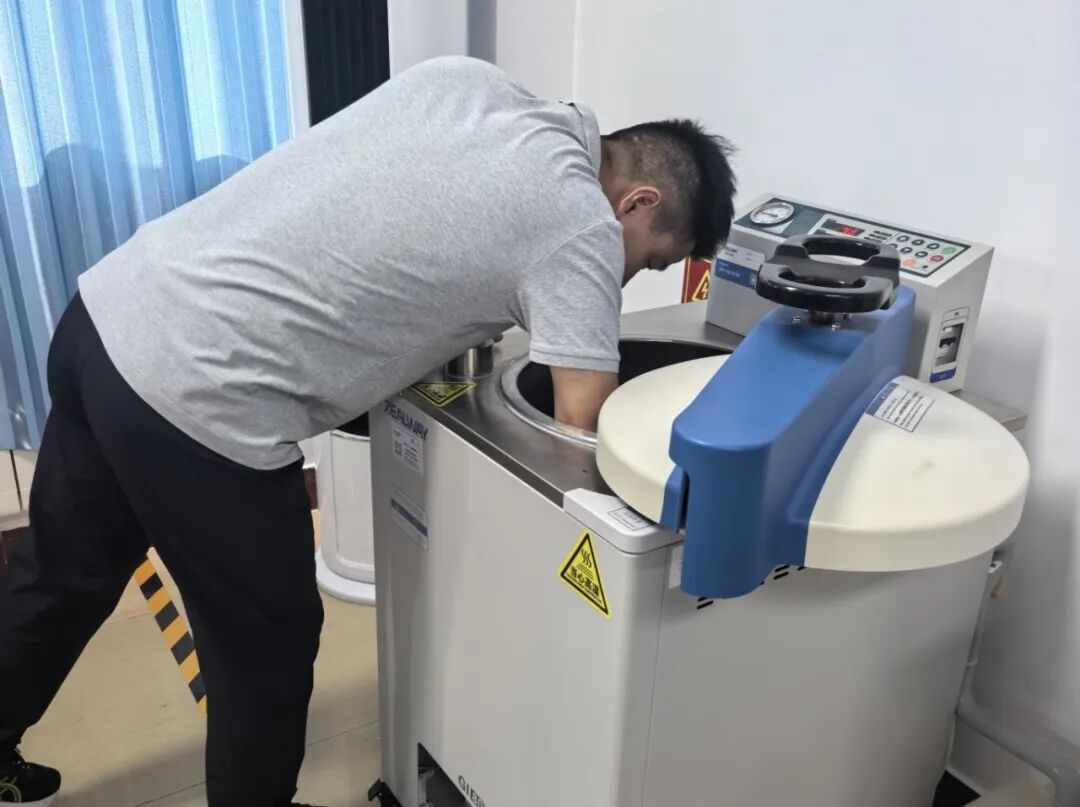
Avoid contamination & failed sterilization Residual culture media, tissue debris, blood and chemical residues will stick to the chamber wall after each sterilization cycle. These leftover dirt can form biofilm, which blocks high-temperature steam penetration. As a result, microorganisms cannot be fully killed, leading to failed disinfection.
Prevent corrosion & extend equipment service life Most autoclave inner tanks are stainless steel. Acidic, alkaline and saline residues left uncleaned will corrode the metal surface over time, causing rust, pits and leakage. Regular cleaning protects the chamber and cuts maintenance costs.
Keep smooth steam circulation Dirt accumulates on drain holes, air exhaust channels and heating pipes. Blocked pipelines disrupt steam circulation, create cold spots inside the chamber and affect sterilization uniformity.
Eliminate odor & cross-contamination risk Rotten organic waste produces unpleasant odor. Residues from different samples may cross-contaminate subsequent batches of lab instruments or medical supplies.
Meet laboratory & medical safety standards Health and biosafety regulations require clean autoclave cavities. Dirty equipment will fail routine inspection and validation tests.



















Leave a Reply