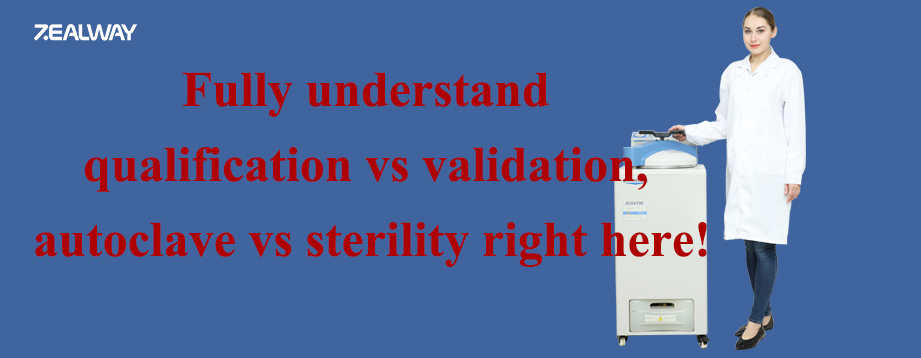
In pharmaceutical production quality management, especially in the field of sterile pharmaceuticals, the precision of terminology directly determines the accuracy and compliance of technical operations.
What exactly is the difference between qualification and validation? Are sterilization and sterility the same concept? What is the relationship between cleaning qualification and cleaning validation?
Confusion over terminology is not merely a linguistic issue, but may also lead to logical flaws in the quality management system.
I. Basic terms: cleaning, disinfection, autoclave and sterility
These four terms serve as the foundation of relevant discussions, yet they are frequently confused.
Cleaning: A physical process to remove contaminants. It is an essential prerequisite for disinfection and sterilization. Sterilization cannot be implemented on unclean equipment.
Disinfection: Eliminate pathogenic microorganisms down to a harmless level, while bacterial spores may not be destroyed. Widely applied to environments, equipment surfaces and hand sanitization.
Sterilization: A process that completely eliminates or removes all microorganisms, including highly resistant bacterial spores. It refers to an action and procedure.
Sterility: A state with no viable microorganisms present.
II. Core quality concepts: qualification, validation and verification
In accordance with authoritative guidelines including EU GMP Annex 15, ICH Q9 and USP, the three concepts have a clear hierarchical relationship.
1.Qualification — Prove conformity of an entity Targets: premises, facilities, equipment, systems and personnel Definition: Obtain qualification evidence to verify correct installation, proper operation and consistent compliance with predefined criteria. Qualification acts as the fundamental prerequisite for validation.
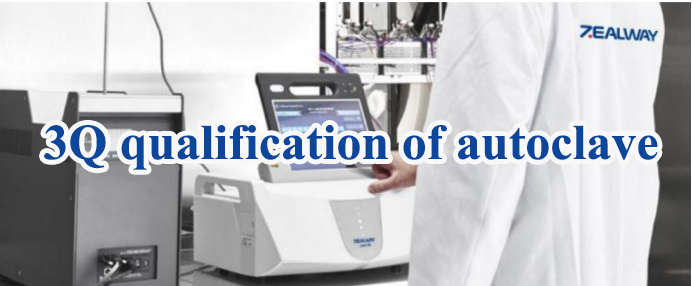
Typical activities:DQ/IQ/OQ/PQ (Design, Installation, Operational and Performance Qualification)Analytical instrument qualification (USP <1058>)Personnel qualification: training assessment, gowning verification and grade B access qualification, all serving as prerequisites for successful sterile process validation.
2.Validation — Prove that procedures and processes can consistently yield qualified outcomes Targets: procedures, processes and methods
Definition: Systematically collect data to provide high assurance that a specific process or method can steadily produce products or results meeting predetermined specifications.
Typical applications:
Sterilization process validation: Verify that a specific loading pattern can consistently achieve the required Sterility Assurance Level (SAL) after relevant equipment qualification.
Cleaning validation: Confirm the cleaning procedure can keep residues below acceptable limits. Three consecutive successful batches are generally required to demonstrate reproducibility.
Analytical method validation: Conduct comprehensive studies on complete analytical methods to verify applicability (USP <1225>).







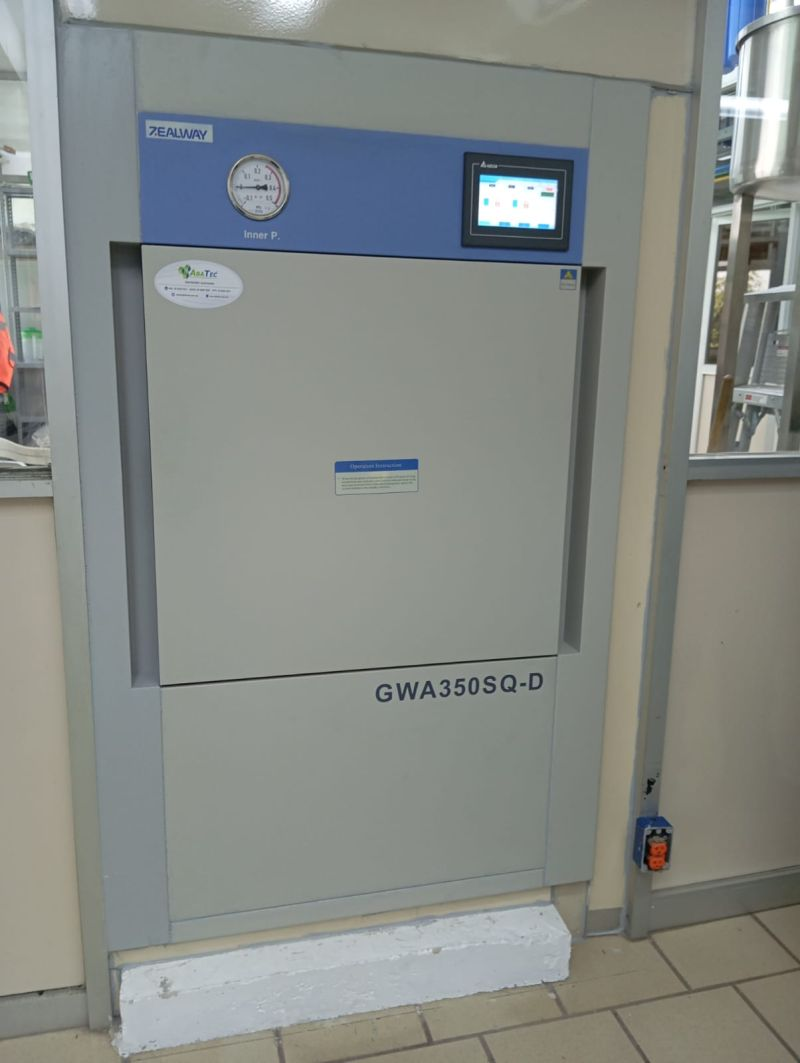





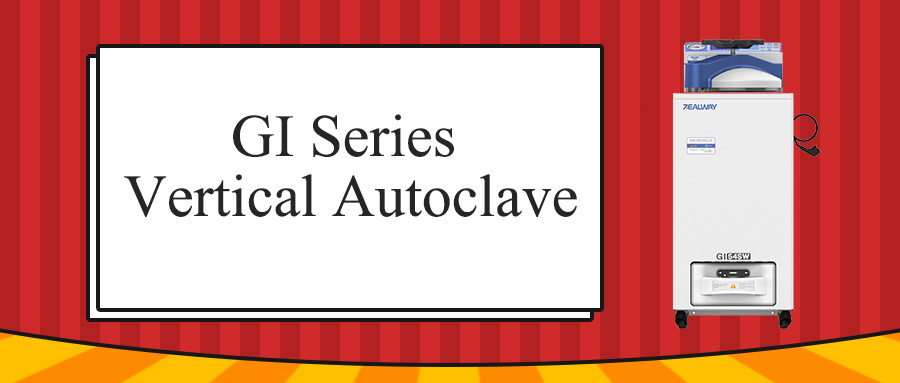








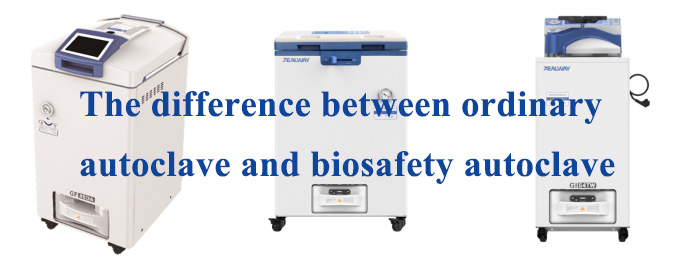


ZEALWAY provides quality autoclaves, full services and professional sterilization solutions for you.

Leave a Reply